· 3 min read
How a robot becomes part of your space: from first encounter to full interaction
A robot is more than a technological platform. We help you get to know its capabilities, configure interaction, and adapt it to your environment's needs.
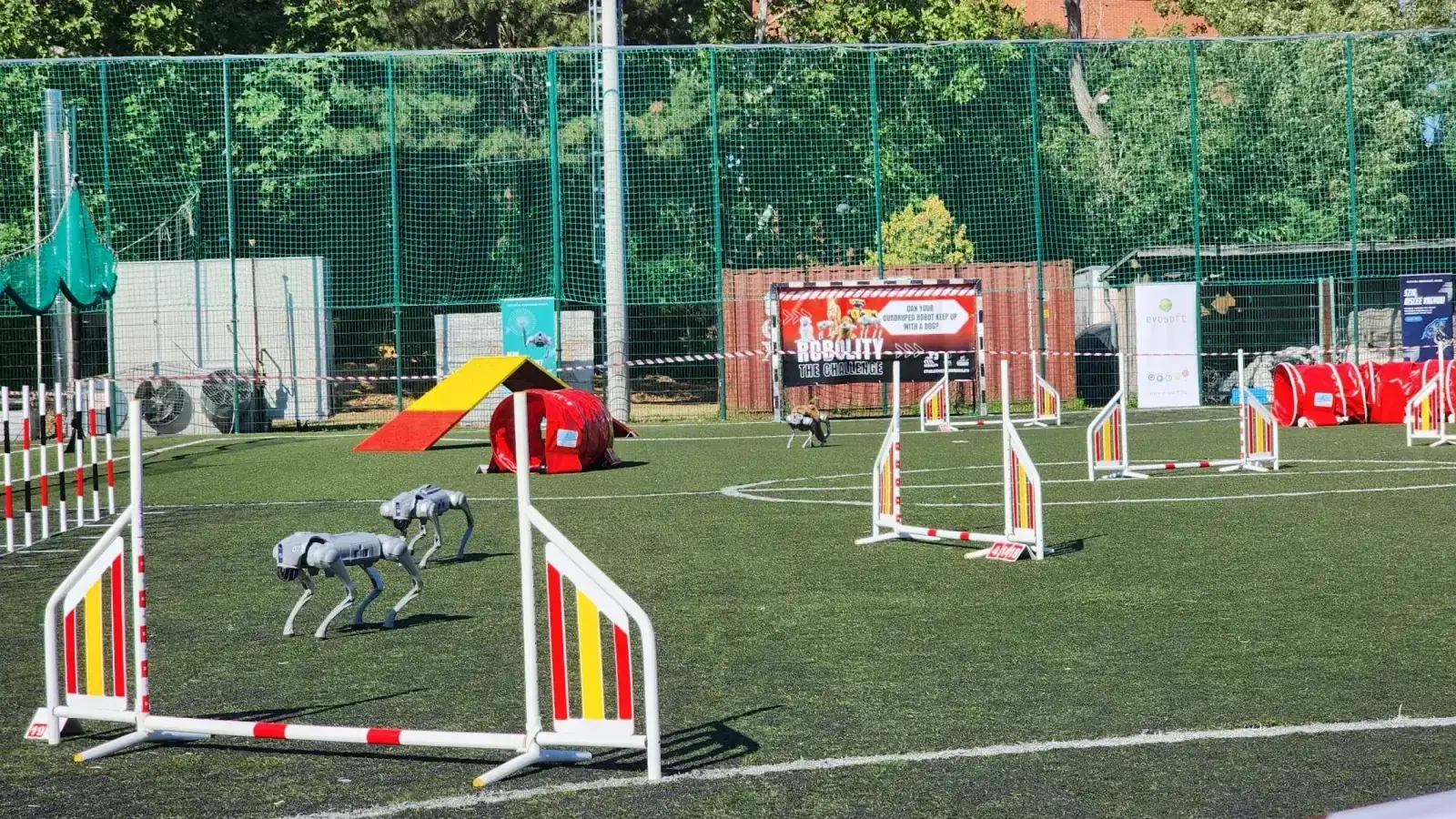
When a company wants to have a robot, it expects a result: the robot will greet clients, give tours, demonstrate the product. But out of the box a robot knows only basic moves. Between a “platform” and an “employee” lies a substantial amount of work that we take on. Here is what a turnkey robot includes.
1. Task analysis
We start with a conversation: where the robot will work, who its audience is, what should happen as a result. We visit the site – a showroom, office, training centre – and assess the space, lighting, noise and people’s routes. At this stage it often turns out that another model or another role suits the task better than planned.
2. Choosing the platform
For roles built on conversation the R1 Basic humanoid fits; for in-house development and complex programmes – R1 Edu Pro D. If the robot has to cover large spaces or work outdoors – the Go2 EDU robot dog. We explain why we recommend a specific model for your task.
3. Programming behaviour
This is the heart of the solution. We build a set of actions for the robot’s role:
- greeting and farewell scenarios;
- routes for moving around the space;
- gestures and moves for specific situations – pointing to an exhibit, inviting people in;
- show acts for special events;
- safe reactions to obstacles and people nearby.
4. Voice and AI
We set up the voice and communication style for your brand, build a knowledge base about the company and set topic limits. The robot answers visitors’ questions in your words and honestly says “please check with a manager” when it does not know. More in “How to teach a robot to speak for your brand”.
5. Integration
If needed, we connect the robot to your systems: showing content on a nearby screen, sending contacts to a CRM, launching a scenario on schedule. The scope of integration is agreed in advance – not every task needs it.
6. On-site testing
Before handover the robot works for several days in real conditions together with our engineer. We gather people’s reactions and adjust routes, lines and timing. A robot that behaved well in the studio may face glass reflections, loud music or a narrow passage in your lobby – we fix all of that before handover.
7. Staff training
Your team gets hands-on training:
- how to switch the robot on, off and restart it;
- how to charge and swap batteries;
- how to switch scenarios for different situations;
- how to stop the robot safely and what to do if something goes wrong;
- how to look after the robot day to day.
We leave a short illustrated guide so a new employee can figure things out without us.
8. Support after launch
After handover we stay in touch: we help with questions, update scenarios for new events, add new lines and moves. For big events we can come over and back up your team.
How long it takes
From the first conversation to a working robot usually takes a few weeks, depending on the complexity of behaviour and integration. A simple “meet and greet” scenario is ready sooner; a full robot guide with complex routes and AI takes longer.
Turnkey versus setting it up yourself
Some companies take a robot and try to configure it on their own. It is possible if you have developers with robotics experience and time to experiment. In practice, though, the first months go into learning the platform rather than solving the business task, and the robot takes a long time to reach clients.
With a turnkey robot you get proven solutions: moves tested at live events, safe interaction scenarios, a configured voice. Your team starts by using the robot, not by learning to program it – and the robot works for results from the first week.
Planning a robot for your business? Tell us about the task – we will suggest a model, the scope of setup and a launch plan. More example roles are in the Events section.
Read next
· 4 min read
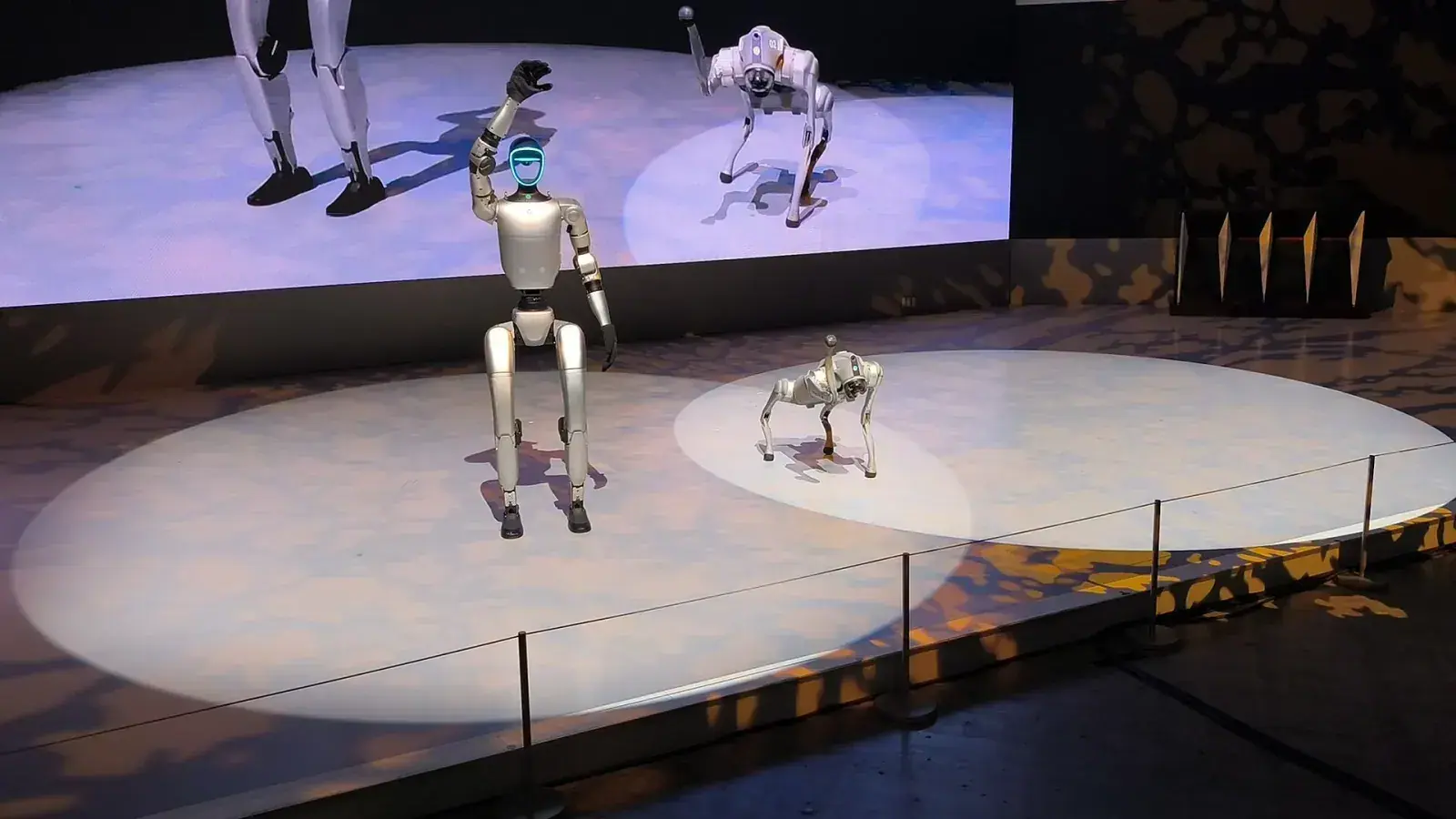
A humanoid robot show: how to build the programme
A good robot show is not “switch it on and watch”. It is an act with a storyline, timing and a backup plan. Here is how we put it together.
Read →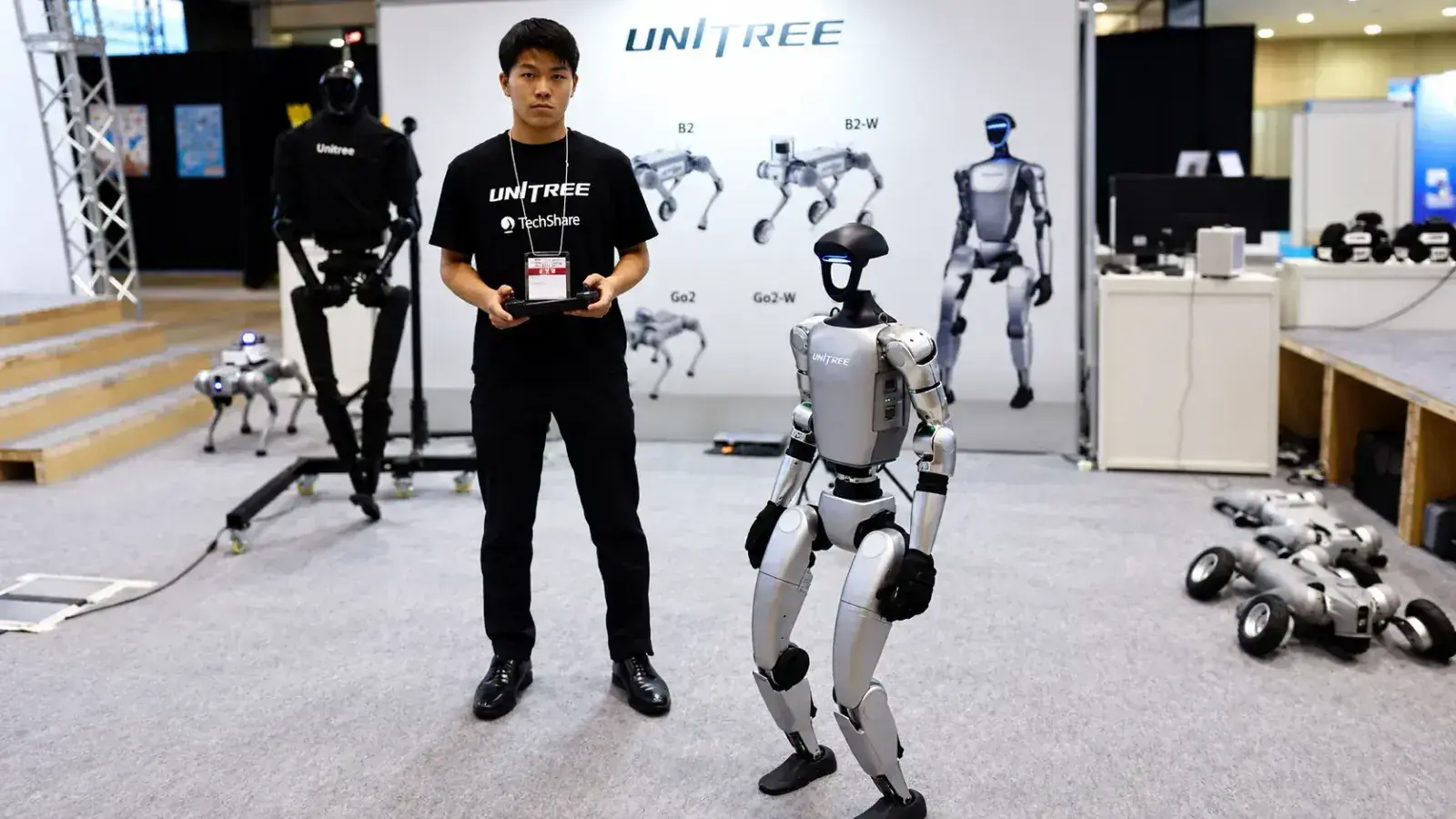
· 4 min read
A robot at your exhibition booth: a preparation checklist
A robot at a booth draws a crowd, but a crowd is not yet leads. A checklist to turn visitor attention into business results.
Read →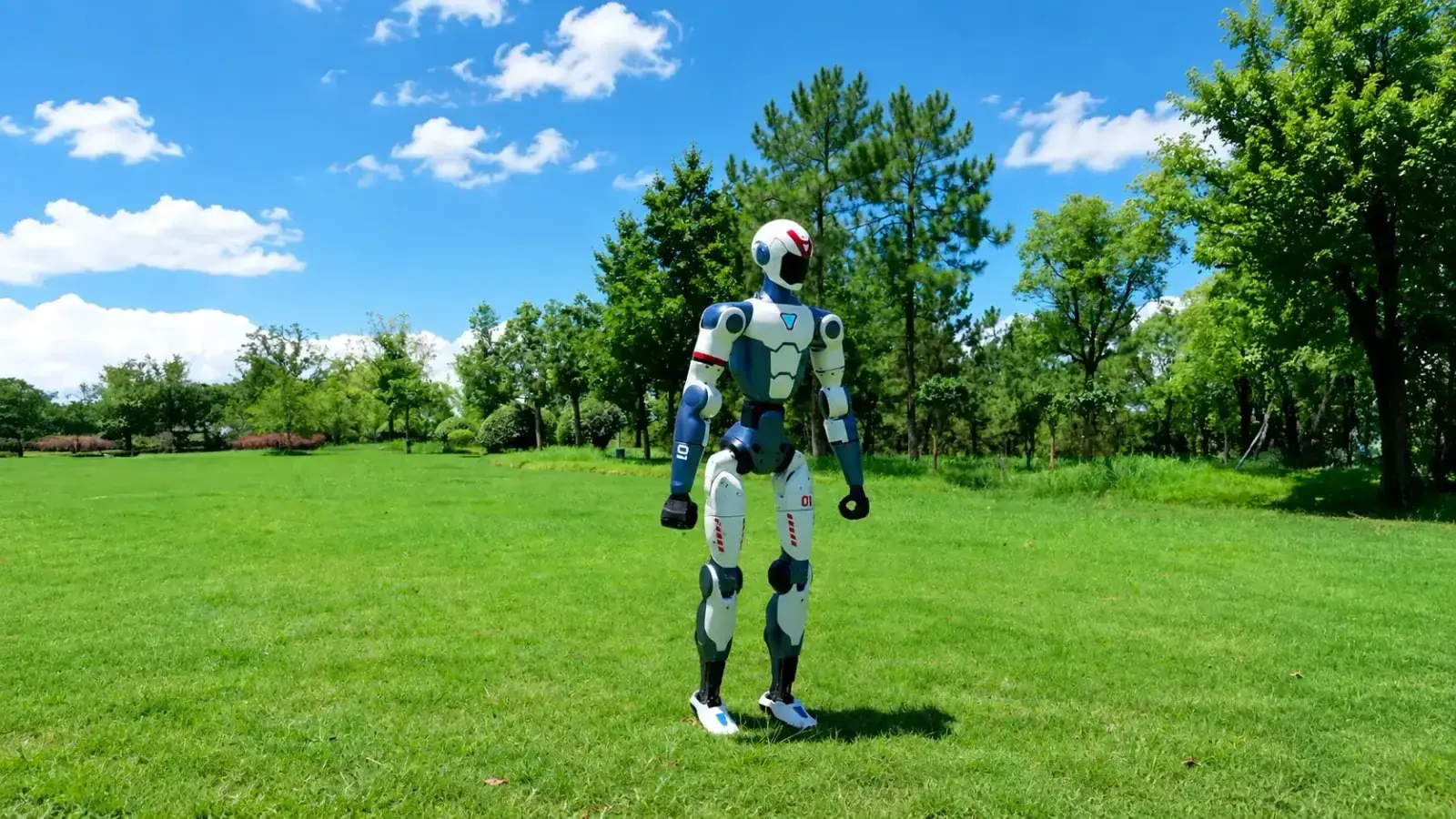
· 3 min read
How much does it cost to invite a robot for an event?
The same model can cost differently at two events. Here is what an estimate is made of and how not to overpay.
Read →
Planning an event or a robot project?
Tell us about the task – we will suggest a model, a scenario and a format. We reply within one business day.